
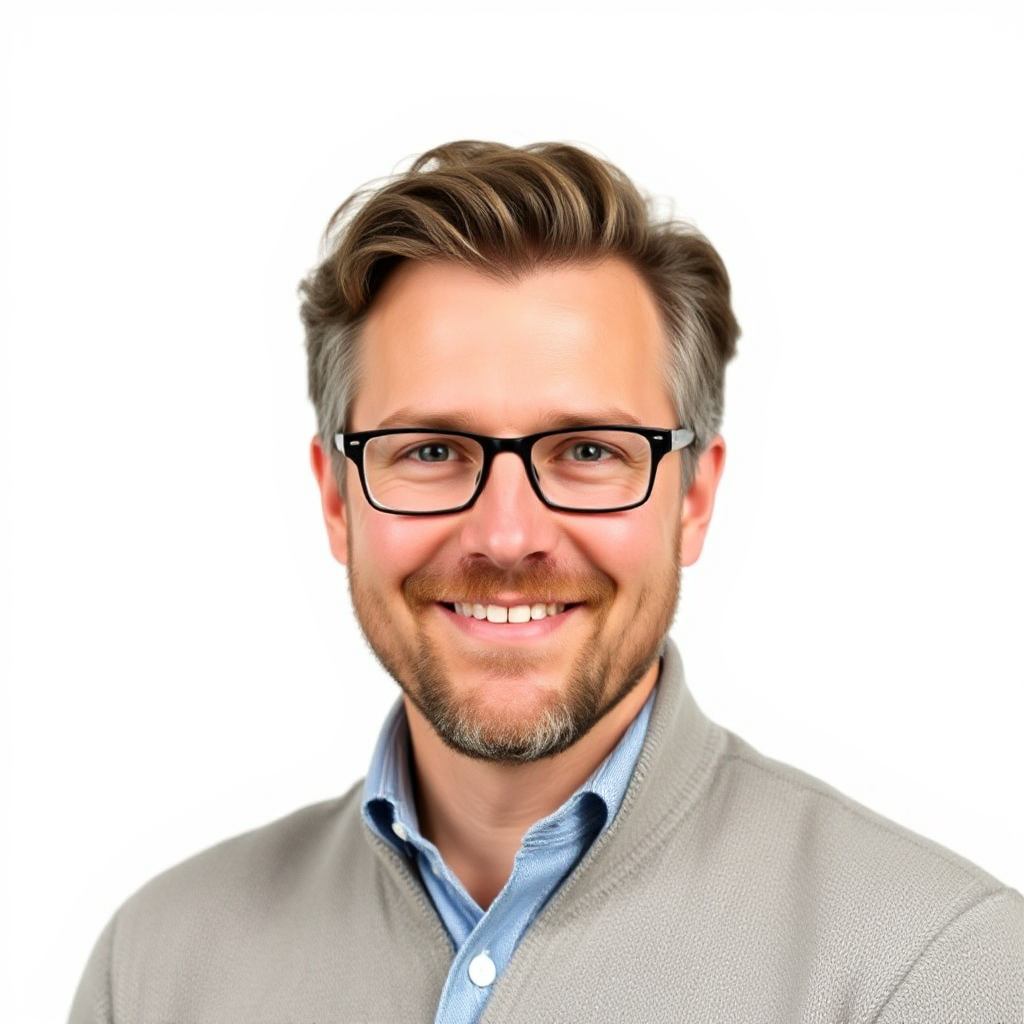
The late US VP Dick Cheney, who passed away at the age of 84, was seen as among the most powerful occupants of that position in American history. Although countless vice-presidents were limited to peripheral or ceremonial roles, Cheney held enormous power during the term of George W Bush, so much so that he was often referred to as the "real president".
Bush objected to that description and said the connection was more complicated. He pointed out that Cheney was courteous, consistently calling him in public settings as Mr President, while he called him as Dick. Bush disputed even portrayals of their association as a collaboration because it suggested that they were peers. In spite of such protestations, Cheney viewed the laidback president pliable on a whole raft of governmental choices.
A Post-9/11 Era
Leading of a group of neo-conservatives that included defence secretary Donald Rumsfeld and assistant defense secretary Paul Wolfowitz, he vigorously promoted the invasion of Iraq in 2003 in response to the September 11th attacks on New York and Washington. At the time of the 9/11 strike, Bush had been attending a gathering at a school in Florida. As Bush headed for a secure location in Nebraska, Cheney took charge, commanding the shooting down of any unresponsive planes nearing the US Capitol.
Cheney stated the assaults transformed him, making him become determined on retribution. Along with other conservative figures, like Rumsfeld and Wolfowitz, he lobbied for a invasion of Afghanistan in an attempt to apprehend Osama bin Laden. Cheney then vigorously pushed for the military action of Iraq, though there was no evidence of Saddam Hussein being involved.
Debated Actions
He expressed no regrets about the military campaign, in which an reckoned 100,000 Iraqis lost their lives, and not about the waterboarding of individuals apprehended after 9/11. He informed CNN in 2015 that the Iraq invasion effort, which was founded on inaccurate information circulated by Cheney, was the correct course of action. "It was the proper decision to do at that time. I was convinced at the time and I hold that view now."
However during that period, there were opposing views at a senior level about the botched execution of Iraq. One of the White House's own representatives to the Middle East, General Anthony Zinni (2001-03), was dismissed from the role. "I witnessed, as a baseline," he later wrote "clear negligence, negligence, and irresponsibility: at worst, falsehoods, ineptitude, and graft."
Wider Perspective
Cheney was not solely accountable for the Iraq campaign. Even before 9/11, Wolfowitz had pushed for comparable steps. He had drafted a document setting out circumstances in which American interests might be endangered (encompassing "availability of vital raw materials, mainly Persian Gulf oil"). Wolfowitz had asserted that "the US should be prepared to act independently when joint efforts cannot be arranged," explicitly referencing military moves against Iraq.
Bush additionally had arrived in the presidency somewhat determined on carrying out what his father had specifically avoided to do in 1991; topple Saddam. After he had been sacked by the administration, the finance chief Paul O'Neill recounted how, at the initial gathering of the National Security Council in January 2001, Bush had announced his intention of reducing America's engagement in the Israeli-Palestinian conflict and proposed military action against Iraq.
Bush held a private grievance against Saddam, believing he had been behind a scheme to kill his parent, President George HW Bush, on a journey to Kuwait in 1993. He also disliked that one of the largest hotels in Baghdad had a surface artwork with a portrait of his parent's visage that each person had to step on.
Questioning Techniques
However it was Cheney who was one of the most vociferous behind attacking Iraq, consistently citing agency briefings that were both thin or entirely deceptive. He endorsed what the Bush government indirectly described as "intensive questioning", the application of interrogation method and harsh treatment.
Addressing a Senate analysis in 2014 that concluded that no useful information had come from the torture, Cheney disregarded the report as "full of crap". He informed Fox News: "We requested [the CIA] to take steps and put in place programmes to catch the bastards who took the lives of 3,000 of us on 9/11 and guarantee it never happened again. That's exactly what they did and they merit a lot of credit."
Public Image
Cheney took pleasure in nicknames given to him by opponents such as Darth Vader and the sinister presence, and by the concept that he was a shadow power controlling Bush. In the author's 2013 publication about the pair, Days of Fire: Bush and Cheney in the White House, Cheney is cited as commenting: "Am I the sinister strategist in the shadows that remains unseen emerge from his domain? This represents a effective way to operate, truthfully."
Commercial Ties
Debate over his business interests followed him throughout his time as VP. Although he had little experience in commerce but strong connections in defence, particularly in Saudi Arabia, he was invited to join Halliburton, one of the world's most substantial oil and gas corporations, in 1995 as chairman and chief executive.
In 2000 he assumed the role of Bush's VP candidate for the presidency. Debatably, during the military campaign, Halliburton was given US contracts totaling billions.
It greatly increased his wealth. His yearly earnings during his tenure at the corporation grew from his quarter-million dollars during his time as defence secretary to $4.4m. When he resigned in 2000 he had a severance arrangement totaling in excess of $20m|twenty

